
Embracing solar energy: the next generation of solar technologies
·
3 min read
·
forevergreen
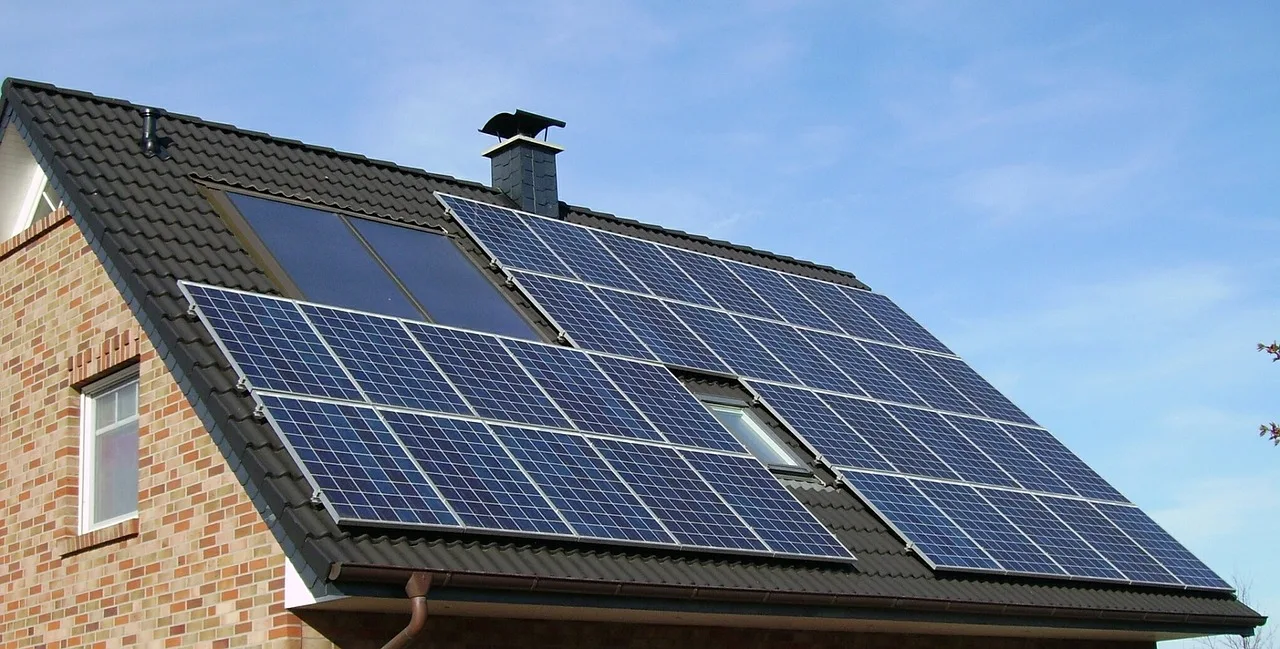
Solar power is essentially the process of converting energy from sunlight into electricity. It can be done in a couple of ways; either through concentrated solar power systems or photovoltaics, also known as PVs.
The former uses lens or mirrors to convert a large area of sunlight into a beam of energy while PVs convert light into electricity.
In recent years, the usage of these technologies has rapidly increased around the world. With countries becoming more environmentally aware and placing a heavier focus on greener practices, many people have been keener to adopt a more eco-friendly way of life.
There have also been some pushes and incentives to encourage people to change to greener solutions for the cost benefits. For example, in the UK, new solar power installations were supported by the introduction of the Feed In Tariff (F.I.T), offering long term contracts to renewable energy producers and price certainty to help investment in renewable energy technologies.
Solar power has seen some increasing progression since 2010, all around the world, but particularly in the UK. In fact, it has actually grown from just a mere 20 GWh in 2009 to a staggering 10,420 GWh in 2016.
Furthermore, a survey by the BEIS in December 2017 showed that an incredible 79% of the public support renewable energy. With more awareness of climate change these days, it seems that everyone wants to get involved and do what they can to protect the environment.
The University of Toronto has also been researching a new generation of solar-sensitive nanoparticles, which look set to take solar cells to the next level. They have been developed into new materials which use n-type and p-type semi-conductors and are called colloidal quantum dots.
The design is unique in that it is the first design that is able to be used outdoors. This is due to the fact that unlike many designs before it, it helps to improve the amount of light absorbed. Panels found to be using this technology were up to 8 percent better at radiating sunlight.
Solar PV technology has had improvements coming for a long time, as scientists have been looking for ways to make it more energy efficient. As only 15% of the average solar cell is efficient, they have been experimenting for several years to find an effective solution.
So, it is hoped that solar-sensitive particles could contribute to the answer with this groundbreaking research as just the start. N-type materials attach to oxygen while colloidal quantum dots can't grasp to air, which makes them suitable for use outdoors. This is a huge win for the development of this technology within the solar market.
It has already been proven to increase the efficiency of converting sunlight by up to eight percent, which is a massive leap in solar energy performance and so shows great promise for further designs.
Related Articles

News
14 min read
Solar Energy Strengths: Why It's the Future of Renewable Energy
Solar energy, often referred to as Forever Green, is becoming a cornerstone in today's energy landscape. With rapid advancements in solar technology, harnessing the sun's power has never bee…

News
13 min read
Do You Need Planning Permission for Solar Panels? Find Out Here
Introduction Are you considering installing solar panels but concerned about the planning regulations? You're in the right place! In the UK, many solar panel installations are classified as '…

Eco-Friendly
11 min read
7 Surprising Ways Solar Heating Can Keep Your Home Warm in the UK
1. Can Solar Panels Heat a House in the UK? Looking for sustainable and cost-effective heating solutions is on everyone’s mind these days. With energy prices soaring and environmental concerns gro…