What is self-consumption and why is it more important than ever before?
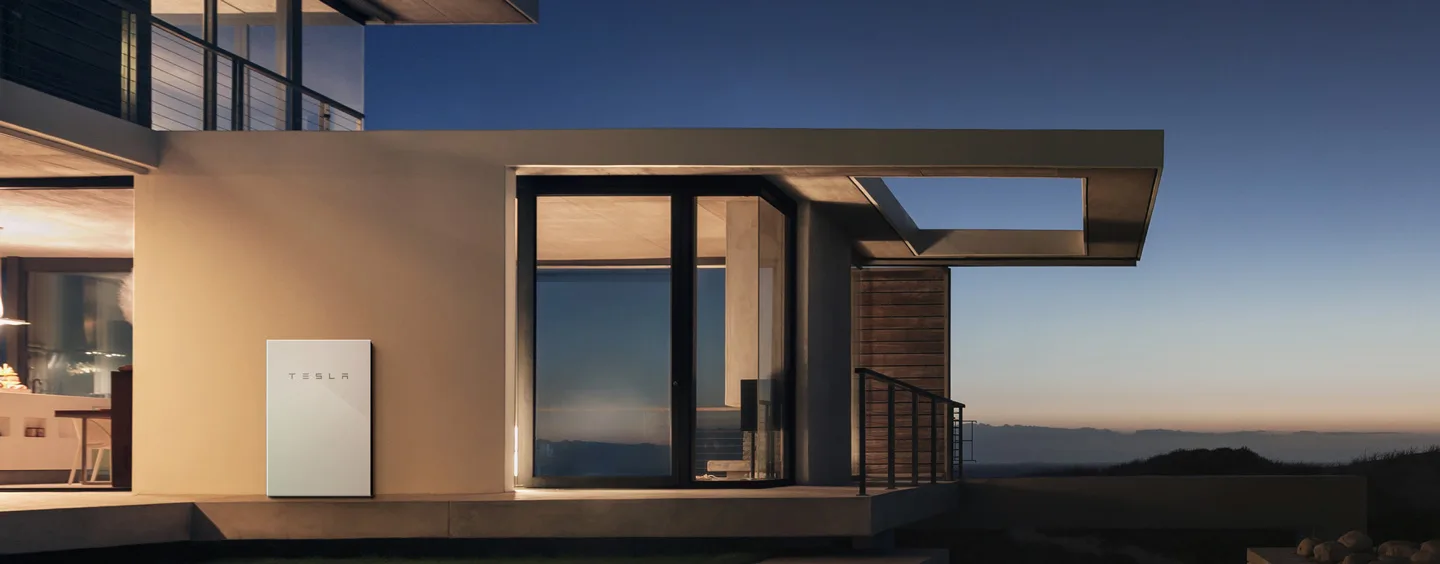
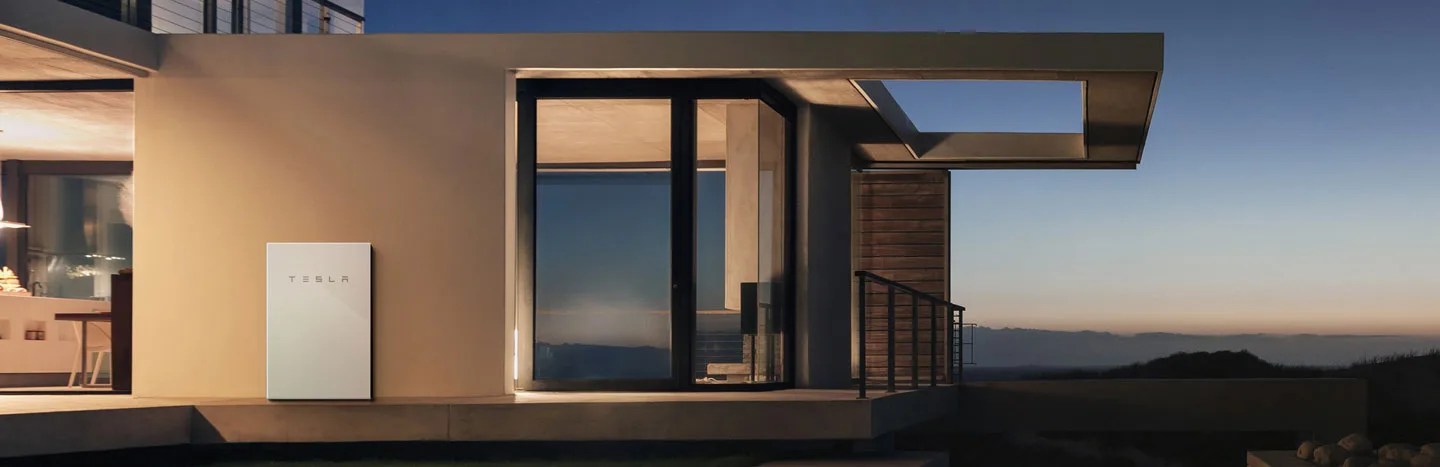
Self-consumption essentially means replacing the energy that you would have bought from the grid with that which you can generate from your rooftop solar system. A self-consumption system means that energy which is not used, and which you may have been sending back to the grid to benefit from payments generated from the FIT system, is stored in your home for later use. Being able to store solar energy in a battery storage system like the Tesla Powerwall in your home is an incredible leap in technology, which continues to develop at pace. It has fundamentally changed the way energy is produced and delivers benefits both for the individual and society as a whole. Ultimately, self-consumption allows consumers to maximise the benefits from their solar systems. It is particularly effective for householders because their homes generally have different consumption patterns depending on the time of day and day of the week. Most individuals will register their peak electricity use during the early morning and evening and such units can monitor supply to suit.
Almost three-quarters of a typical household’s power usage are used in heating water and space heating. With the Tesla Powerwall, the system draws energy from the battery and the unit has the ability to load shift. This means that the battery maximises the energy it stores from the sun’s rays while covering requirements from low rate times by drawing power from the grid.
By installing a solar energy system simply you're not only doing your bit for the environment, but you're also saving money. So that means self-consumption is absolutely crucial. From a simple economic perspective, self-consumption is the only way to make solar pay with the end of FIT.
It is particularly effective for householders because their homes generally have different consumption patterns depending on the time of day and day of the week. Most individuals will register their peak electricity use during the early morning and evening and such units can monitor supply to suit.
Almost three-quarters of a typical household’s power usage are used in heating water and space heating. With the Tesla Powerwall, the system draws energy from the battery and the unit has the ability to load shift. This means that the battery maximises the energy it stores from the sun’s rays while covering requirements from low rate times by drawing power from the grid.
By installing a solar energy system simply you're not only doing your bit for the environment, but you're also saving money. So that means self-consumption is absolutely crucial. From a simple economic perspective, self-consumption is the only way to make solar pay with the end of FIT.