
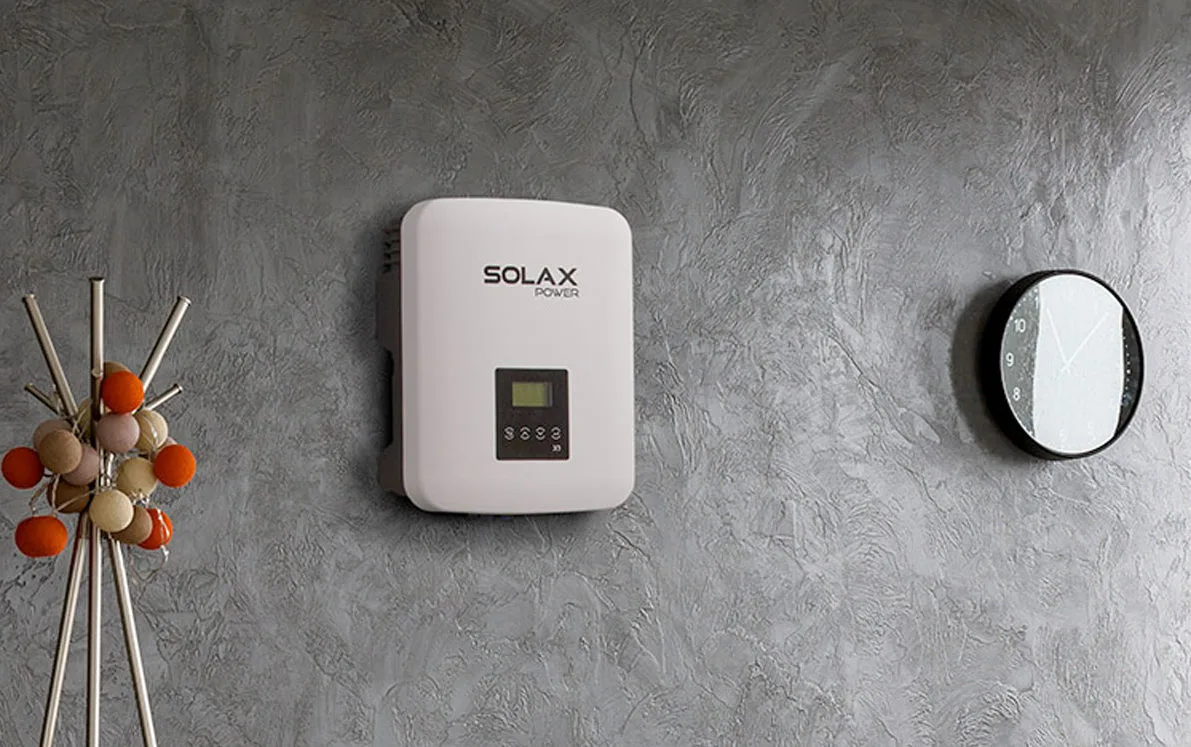
How do inverters work?
The easiest way to think of them is as a kind of middle man. They convert the direct current electricity your solar panels generate into alternating current that you can actually send to the grid. Without your solar inverter in place, you would not be able to use any of the electricity that your panels were creating. A key element to remember about maintaining your inverter is that your energy bills could go up if it is faulty. An inverter that is not working as intended will not convert all the electricity generated by your solar panels into usable energy. As a result, this could see your bills go up due to less solar power being delivered to the grid.What can go wrong with your inverter?
One of the most common things that can go wrong with this item is overheating. As an electrical component dealing with high powered currents, they are very sensitive to temperature. If they get too hot, they will see a decrease in output or may even stop working. Other common causes of faults are:- incorrect installation and programming
- isolation fault within inverter circuits
- the inverter has simply come to the end of its lifespan
How you can maintain your inverter?
For the average person, solar inverter maintenance is best left to qualified professionals. The high voltages and electrical circuits inside make it too dangerous if you do not know what you are doing. It is much better to employ an external provider once every year to come and do a maintenance check for you. This should include cleaning your inverter along with a full inspection of it and the replacement of any faulty parts.What are the most common signs your inverter needs replacing?
Solar inverters only last for a certain amount of time before simply needing to be replaced. The most common signs of this are:- a red warning light is showing on it all the time
- error code showing on the broken inverter that is too serious for repair
- your energy generation meter is not flashing or changing levels in daylight hours